X

Public Space List | Summary | Detailed

After Infrastructure

2015 - $8,000 After Infrastructure
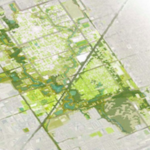
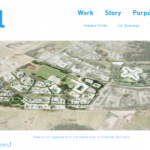
After Infrastructure, by Adi Shamir, is an ongoing project that researches the history of sewer and storm-water managements through case studies from ancient Rome’s public works to Germany’s reclamation of the Ruhr Valley brownfields.

After Infrastructure

After Infrastructure
2015 - $8,000 After Infrastructure 

Adi Shamir is an advisor, historical researcher and writer focused on historic conservation, land reclamation, ecology restoration and the re-purposing of urban infrastructure. She has served as a Dean at California College of the Arts and the Executive Director of the Van Alen Institute.

After Infrastructure, by Adi Shamir, is an ongoing project that researches the history of sewer and storm-water managements through case studies from ancient Rome’s public works to Germany’s reclamation of the Ruhr Valley brownfields. The research and subsequent book, After Infrastructure: The City as Frontier, is a reaction to Adi Shamir’s work in the post-industrial city of Detroit, where she helped develop the Bloody Run Creek Greenway project. This project will redesign the Bloody Run Creek and provide better water quality-  through natural filtration of air pollutants, wetlands, and retention-  as well as better air quality, restored wildlife habitats and economic benefits, such as increased property values.

After Infrastructure

Build Public Inc.

2017 - $15,000 Green Benefit Districts
Build Public is a mission-driven nonprofit that leverages creative public-private partnerships to create, finance and maintain high quality urban public space in San Francisco and beyond.

Build Public Inc.

Build Public Inc.
2017 - $15,000 Green Benefit Districts

Build Public is a mission-driven nonprofit that leverages creative public-private partnerships to create, finance and maintain high quality urban public space in San Francisco and beyond.

theoneplus.org/np_profile/2912

Congress for the New Urbanism

2014 - $10,000 Freeway-Free San Francisco Report and Case Study
Congress for the New Urbanism (CNU) is the leading organization promoting walkable, mixed-use neighborhood development, sustainable communities and healthier living conditions.

Congress for the New Urbanism


Congress for the New Urbanism
2014 - $10,000 Freeway-Free San Francisco Report and Case Study

Founded in 1993, the Congress for the New Urbanism (CNU) is the leading organization promoting walkable, mixed-use neighborhood development, sustainable communities and healthier living conditions. Through their initiatives and annual Congress gathering, CNU has created tools that make it easier to put New Urbanism into practice around the world.

CNU's “Freeways Without Futures” list recognizes the top-ten locations in North America where the opportunity is greatest to stimulate valuable revitalization by replacing aging urban highways with boulevards and other cost-saving urban alternatives. CNU is planning to add San Francisco's 280 to the list.

1. Alaskan Way Viaduct, Seattle, WA
2. Sheridan Expressway, Bronx, NY
3. The Skyway and Route 5, Buffalo, NY
4. Route 34, New Haven, CT
5. Claiborne Expressway, New Orleans, LA
6. Interstate 81, Syracuse, NY
7. Interstate 64, Louisville, KY
8. Route 29, Trenton, NJ
9. Gardiner Expressway, Toronto, ON
10. 11th Street Bridges and the Southeast Freeway, Washington D.C.

CNU's Freeway-Free San Francisco report will address both community and City-level impact of highway removal. Relevant statistics from CNU's City of Vancouver case study, which is freeway-free but lacking traffic congestion, will also be included. CNU's partnership with Walk San Francisco, a local non-profit who speaks up for safer, more pleasant streets for everyone to walk on, will bring depth to the Freeway-Free San Francisco dialogue.

cnu.org

Friends of the Gateway

2011 - $7,500 General Operating Support
Friends of The Gateway (FOG) is a community of artists and innovators who champion the creation of a unique public space at the foot of the new Bay Bridge.

Friends of the Gateway

Friends of the Gateway
2011 - $7,500 General Operating Support

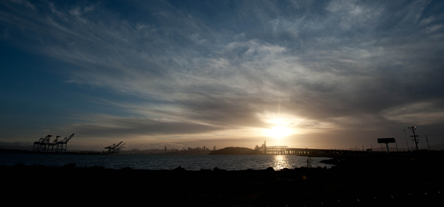
Friends of The Gateway (FOG) is a community of artists and innovators championing the creation of a unique public space at the foot of the new Bay Bridge. Using the arts as the organizing principle, the Gateway Park envisioned will integrate engineering, infrastructure, landscape, economic and community development, creating a vibrant regional asset and an international destination.Gateway Park will be located at the touchdown point of eastern span of the Bay Bridge, on the Oakland side, and will encompass at least between 35 and 150 acres.

FOG envisions a public space akin to Millennium Park in Chicago or Landschaftspark in Germany, with a comparable economic and social impact, using the arts and the industrial arts movement as the central themes. The East Bay is the international epicenter for a major industrial arts movement, and our hope is that the Gateway will both celebrate this and capitalize upon it. FOG’s vision will seek to integrate human-scaled, social and economic activities into this context using the arts as an engaging vehicle, while creating a vital, vibrant Bay Area arts destination that attracts a local and international audience; explores the relationships between place, structure and creative innovation; and celebrates the remarkable new span of the Bay Bridge.

Gehl Studio

2015 - $15,000 Market Street Prototyping Festival Data Analysis
Gehl Studio is an international architecture firm focused on creating cities for people. Through extensive research and analysis of current city conditions, Gehl creates built environments that benefit residents and their desired quality of life.

Gehl Studio


Gehl Studio
2015 - $15,000 Market Street Prototyping Festival Data Analysis

Gehl Studio is an international architecture firm that focuses on creating cities for people. Through extensive research and analysis of current city conditions, Gehl creates built environments that benefit residents and their desired quality of life.

During and after the Market Street Prototyping Festival, Gehl Studios was tasked with creating a system of analysis for the festival. Gehl created social interaction surveys and social capital generation metrics, and summarized their analysis in a report presented to the City of San Francisco that documented the Festival’s reception and impact on citizens. This report and additional findings will be combined with research initiatives already conducted by Gehl studios to produce other people-focused public realm projects.

gehlpeople.com

ioby

2014 - $10,000 Crowdfunding Workshop
ioby is a crowd-resourcing digital platform that supports citizen-led, neighbor-funded projects.

ioby


ioby
2014 - $10,000 Crowdfunding Workshop

ioby is a community of donors, volunteers and leaders working together to make their neighborhoods stronger and more sustainable. ioby is a crowd-resourcing digital platform that supports citizen-led, neighbor-funded projects related to food, transit, sharing, public health, public art, environment, schools, tactical urbanism and creative placemaking. For this project, ioby will host an intensive training on grassroots fundraising and crowdfunding for Seed Fund grantees in San Francisco.

www.ioby.org

Island Press

2025 - $20,000 Built Environment Portfolio
2021 to 2025 - $10,000 General Operating Support
2021 - $15,000 Diversity, Equity and Inclusion Work
2020 - $15,000 Online Programming During COVID-19 Pandemic
2020 - $25,000 Founders’ Pot
2019 - $25,000 General Operating Support
2017 & 2018 - $5,000 Founders’ Pot for General Operating Support
2013 - $10,000 Sustainability Knowledge Network
2011 & 2014 to 2017- $5,000 General Operating Support
Since 1984, Island Press has been a trusted publisher of environmental information.

Island Press

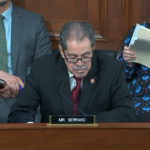
Rep. Jose Serrano reads from an Island Press op-ed in The Washington Post calling for a return to science-based decisionmaking at the Environmental Protection Agency

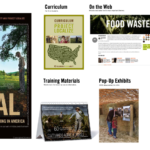
Solutions that Inspire Change: Recent Titles from Island Press

Carey Gillam, author of Whitewash: The Story of a Weed Killer, Cancer, and the Corruption of Science (Island Press, 2017) testifies to the European Parliament about the dangers of glyphosate 

Steven Higashide, author of Better Buses, Better Cities: How to Plan, Run, and Win the Fight for Effective Transit (Island Press, 2019)

Book launch party for Transit Street Design Guide (Island Press, 2016)


Island Press
2025 - $20,000 Built Environment Portfolio
2021 to 2025 - $10,000 General Operating Support
2021 - $15,000 Diversity, Equity and Inclusion Work 
2020 - $15,000 Online Programming During COVID-19 Pandemic
2020 - $25,000 Founders’ Pot
2019 - $25,000 General Operating Support
2017 & 2018 - $5,000 Founders’ Pot for General Operating Support
2013 - $10,000 Sustainability Knowledge Network
2011 & 2014 to 2017- $5,000 General Operating Support

Island Press supports the environmental community in advancing their knowledge and practice which, ultimately, improves the natural systems on which humankind depends. A non-profit organization, its mission is to provide the best ideas and information to those seeking to understand and protect the environment and create solutions to its complex problems. 

From its growing network, Island Press identifies promising thinkers, inspiring stories, and game-changing ideas to publish some 30 books each year. Island Press’ publishing expertise delivers critical information that enhances the work of thousands of professionals striving to create healthier, more sustainable, and more just communities. Today, Island Press is one of the nation's leading providers of environmental ideas and solutions. 

Island Press’ goal is to spark lasting solutions to environmental problems. Its approach is two-fold: 

Identifying and Developing Ideas 

Island Press identifies and shapes the best ideas, methods, and approaches into accessible content. The most valuable lessons come from those who are doing the work-the scientists, activists, and professionals who are leading change every day. But these problem-solvers often need guidance on how to share their experience with others. Without the editorial and communications support Island Press provides, important new voices would be left unheard, and effective approaches unknown.

Promoting and Distributing Content

The field needs cutting-edge information and practical solutions to a wide range of problems. Island Press taps into a distribution network of environmental movement leaders, researchers, policymakers, professionals, and the public. The organization’s reach extends into many areas, ranging from transportation planning and food systems to affordable housing and green space.

Setting this work apart from for-profit publishers, Island Press is committed to providing reliable, science-based knowledge in digital formats-webinars, articles, opinion pieces, and online courses-most of them free. 

Island Press has developed a body of environmental literature that is considered by many to be the most comprehensive, rigorous, and innovative available. This work is shaping policies, establishing thought leaders, and advancing influential concepts that have had important real-world impacts.

Notable Accomplishments 

Creating Safer Streets for All: Publishing the Urban Street Design Guide guided billions of dollars in infrastructure spending for energy-saving, carbon-reducing public transit and pedestrian-friendly streets across the country. 

Reducing Toxic Chemicals: The award-winning Whitewash: The Story of a Weed Killer, Cancer, and the Corruption of Science led to limits on the cancer-causing chemical glyphosate (the main ingredient in Roundup) in several countries, as well as on college campuses and public lands across the U.S. 

Regulating Overfishing: The Most Important Fish in the Sea led to the first-ever limits on menhaden fishing, which had reached unsustainable levels. The quota resulted in a 26% reduction in the menhaden catch-a huge victory for fishing communities and conservationists.

Response to COVID-19 Pandemic

As workplaces closed and events were canceled, Island Press moved quickly to create more online offerings for professionals and students who were now working from home. Island Press released a dozen e-books for free and nearly tripled its schedule of free webinars for professionals. As a result, attendance to online trainings more than doubled. This evolving approach helped the organization grow the number of people it serves, and has widened its geographic reach.

islandpress.org

Lexicon of Sustainability

2016 - $10,000 Project Localize
The Lexicon of Sustainability operates with the express purpose of creating and sharing intelligently designed messaging tools and activism toolkits needed by the movement’s non-profit organizations, educators and thought leaders to advance a sustainable future for everyone.

Lexicon of Sustainability


Lexicon of Sustainability
2016 - $10,000 Project Localize

The Lexicon of Sustainability operates with the express purpose of creating and sharing intelligently designed messaging tools and activism toolkits needed by the movement’s non-profit organizations, educators and thought leaders to advance a sustainable future for everyone. Project Localize addresses the need for increased eco-literacy and digitally active students communicating with the world around them. Participants are taught how to understand a circular economy through key subjects representing sustainability. The project is distinct in its inclusion of skill building with authentic public participation on meaningful civic issues. The program provides mentoring for students, teachers and community leaders at key points in the learning experience. Project Localize is in its fourth year of development and has expanded to 42 high schools and hundreds of elementary schools in America with delegations from all over the North Bay participating since 2012.

projectlocalize.org

Linden Living Alley

2010 - $10,000 General Operating Support
Linden Living Alley is a neighborhood initiative which transformed a section of Linden Street in Hayes Valley into San Francisco’s first modern ‘shared space’ street.

Linden Living Alley

Linden Living Alley
2010 - $10,000 General Operating Support

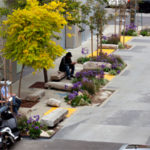
Linden Living Alley is a neighborhood initiative that transformed a section of Linden Street in Hayes Valley into San Francisco’s first modern ‘shared space’ street. Shared spaces soften the segregation of roadway and sidewalk to create safe, low-speed environments where walking, cycling, and automobile access coexist with greenery and space for socializing and play.

The project tabled the street to the level of the sidewalk, added trees and planted areas, along with seating and traffic calming.Linden Living Alley’s team, which included architect David Winslow, Loring Sagan and his colleagues from Build, Inc, and Meredith Thomas and her colleagues from the San Francisco Parks Alliance, spent many years working with City staff and disability advocates to develop the design to preserve accessibility while staying true to the shared space vision. Linden Living Alley opened October 2010. It serves as a model for shared spaces in San Francisco and opens the door for future alleyway beautification and greening.

photo credit: Lucy Goodhart

lindenlivingalley.wordpress.com

Livable City

2013 - $10,000 Play Streets for All
2012 - $5,000 Permanent Sunday Streets Route in the Mission
2011 - $5,000 Permanent Sunday Streets Route in the Mission
Livable City works to create a city where walking, bicycling, and transit are the best choices for most trips, and where public spaces are beautiful, well designed and maintained.

Livable City


Livable City
2013 - $10,000 Play Streets for All
2011 & 2012 - $5,000 Permanent Sunday Streets Route in the Mission

Livable City is a sustainable transportation and land use advocacy non-profit in San Francisco that works to create a city of great streets and complete neighborhoods, where walking, bicycling, and transit are the best choices for most trips, and where public spaces are beautiful, well designed and maintained. They use an integrated approach to define livability that includes transportation and land use advocacy, development of policies for public space and best practices with a goal of creating a safer, healthier and more livable San Francisco.In 2008, Livable City partnered with the Mayor’s office and the Department of Public Health to produce San Francisco’s first two Sunday Streets events, which created several miles of car-free space for walking, cycling, jogging and organized recreational activities. Sunday Streets proved to be a huge success, and the program grew to six events in 2009 and nine events in both 2010 and 2011. Sunday Streets has provided recreational opportunities to tens of thousands of San Franciscans and visitors, focusing on neighborhoods that lack these opportunities. Benefits include local economic development, neighborhood commercial vitality, community building and neighborhood engagement, and a catalyst for neighborhood conversations about reclaiming streets on a temporary or permanent basis.Play Streets for All
Play Streets for All (PSFA) trains and supports local organizers to produce smaller open streets events - called Play Streets - in their communities. The idea behind this effort is to build local leadership and increase the number, location and frequency of car-free events in San Francisco.  PSFA program objectives are to (1) simplify the permit application process, (2) identify, contact and train PSFA organizers, (3) provide technical assistance to PSFA organizers during the event organizing process and (4) create a replicable PSFA organizing model that can be shared throughout the Bay Area.

livablecity.org

Luggage Store/509 Cultural Center

2015 - $10,000 Market Street Prototyping Festival
2012 - $5,000 Tenderloin National Forest
The Luggage Store Gallery promotes local Bay Area artists and provides low-income Central Market and Tenderloin residents opportunities to participate in the neighborhood’s cultural life.

Luggage Store/509 Cultural Center

Luggage Store/509 Cultural Center
2015 - $10,000 Market Street Prototyping Festival
2012 - $5,000 Tenderloin National Forest

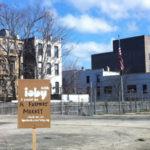
The 509 Cultural Center was founded in 1987 and has created community-based arts programs at the Luggage Store Gallery since the 1990s. Both Institutions have promoted many Bay Area artists of color, and provide the low-income Central Market and Tenderloin residents the opportunity to participate in the neighborhood’s cultural life.

Tenderloin National Forest
The Tenderloin National Forest (TNF) is an unexpected oasis of 3,400 square feet of  beautifully landscaped community commons and green space gardens. The TNF provides needed respite in the San Francisco Tenderloin’s dense urban landscape and offers a striking contrast to much of the neighborhood. The TNF is available for use by the general public  for community gatherings/celebrations; reflection and respite; as a creative space for innovative public art projects; and as an educational resource.

The TNF was a former dead end alley, known as Cohen Place (off Ellis Street, between Leavenworth and Hyde Streets), enclosed by mutli-story buildings and was formerly used as dumping grounds and space for illicit activities. The Luggage Store, also known as The 509 Cultural Center, transformed and maintains the alley.

Market Street Prototyping Festival
The Luggage Store continued to support the residents and culture of the Central Market and Tenderloin districts by creating installations and programming for the
2015 Market Street Prototyping Festival. Projects included the PPlanter, an ecologically friendly public restroom prototype, equipped with light and sound installations by Lighthouse Studio, as well as performances and community engagement activities by artists Paul Benney, Amara Tabor-Smith and Michael Swaine.

luggagestoregallery.org

Mission Community Market - Mercado Plaza

2011 - $10,000 Mercado Plaza
Mission Community Market and Rebar have formed a partnership to create a new car-free plaza and public space on Bartlett Street in the Mission.

Mission Community Market - Mercado Plaza

Mission Community Market
2011 - $10,000 Mercado Plaza

Rebar and the Mission Community Market (MCM) have formed a partnership to create a new car-free plaza and public space on Bartlett Street in the Mission. Building on the place-making efforts of the MCM, the new plaza will provide a beautiful, safe and much needed public space for activities that support family health, promote small businesses and bring diverse communities together.Building on the MCM’s place-making activities, the Mercado Plaza will bring diverse communities together through the civic design process, entrepreneurial opportunity and public space design. The goal for the car-free plaza is to create a true public marketplace and flexible urban space. It will accommodate large gatherings, like MCM, as well as smaller neighborhood activities and play. The concept is a programmable plaza surface with temporary infrastructure such as market stall supports, shading, seating and a stage. Flexible street furniture, vendor stalls and utility hookups can reduce the barriers for diverse entrepreneurs to enter the marketplace as well as an upgrade to the ecological infrastructure of the street by implementing stormwater best management practices - permeable pavers, rain gardens and potentially subsurface infiltration. Unique paving, safer lighting, and a Mission mural arts gallery that has already begun on Bartlett will attract local shoppers, tourists and neighborhood families. missioncommunitymarket.org

New York League of Conservation Voters

$2025 - $15,000 Play Fair for Parks
Founded in 1993, the New York League of Conservation Voters Education Fund (NYLCVEF) is a 501c3 organization based in New York City dedicated to educating, engaging, and empowering New Yorkers to be effective advocates for the environment in their own communities.

New York League of Conservation Voters


New York League of Conservation Voters
$2025 - $15,000 Play Fair for Parks

Founded in 1993, the New York League of Conservation Voters Education Fund (NYLCVEF) is a 501c3 organization based in New York City dedicated to educating, engaging, and empowering New Yorkers to be effective advocates for the environment in their own communities. Their vision is for New York State to be a national leader in advancing and implementing bold climate and environmental policy. NYLCVEF’s role is to build a broad and diverse movement locally, engaging communities across our state on relevant issues and mobilizing for action. These issues include voting and democracy, zero-waste, renewable energy, offshore wind, parks and open space, clean air and water, and more.

Through multimedia campaigns, public programs, community outreach and engagement, publications and strategic partnerships, NYLCVEF reaches thousands of New Yorkers every year on issues impacting their communities. NYLCVEF has regional chapters where the bulk of work takes place. These include New York City, Westchester County, Long Island, Capital Region, and Central/Western New York.

A snapshot of NYLCVEF’s ongoing programs include efforts to advance electric school buses to protect children’s health, increase investment in and equitable access to NYC’s parks, empower residents to identify and remediate lead pipes in their homes, and address misinformation around renewable energy solutions like offshore wind and battery energy storage. Each year, the organization also conducts a statewide voter pledge program to create awareness about voting information, important dates and deadlines, and to get low propensity voters to the polls.

All of this work is supported by and coordinated with a robust network of local, state and national partners, including the Conservation Voter Movement, consisting of national LCV and 30 state affiliates. Together, the CVM stands at the intersection of environment, justice, and democracy, fighting for a future that sustains us all and working to build a movement that is strategic, resilient, and unstoppable.

www.nylcv.org

Open Plans

2025- $20,000 General Operating / Filmmaking support
2024- $20,000 Congestion Pricing
2024- $3,000 General Operating Support
2023- $15,000 General Operating Support
Open Plans works to foster a more connected relationship between New Yorkers, their streets, and their city government.

Open Plans

The Building Blocks program guides neighborhoods through the process of envisioning, and then implementing, community-minded changes to their streets

Open Plans summer interns work with a mentor to complete a concentrated project at the end of their internship, culminating in a presentation to staff, fellow advocates and city officials

Director of Advocacy and Organizing Jackson Chabot gives Curbside Climate Award at Open Plans' first-annual Public Space Awards

Awardees and attendees cheer for 34th Avenue Open Street in Queens at Open Plans' first-annual Public Space Awards

Co-Executive Director Sara Lind speaks at rally for safe streets legislature

Emily Chingay and Sabina Unni connect with community at family event

Family music event on Manhattan's Upper West Side

StreetopiaUWS leads neighborhood walk with City Council candidates and local residents during a recent election cycle

Community engagement on Open Streets offer New Yorkers a chance to think creatively about their neighborhood

Open Plans' Emily Chingay shares School Streets toolkit at community event

Co-Executive Director Sara Lind leads Rally to Plan for People, Not Parking

The Building Blocks program guides neighborhoods through the process of envisioning, and then implementing, community-minded changes to their streets


Open Plans
2025- $20,000 General Operating / Filmmaking Support
2024- $20,000 Congestion Pricing
2024- $3,000 General Operating Support
2023- $15,000 General Operating Support

Founded in 1999 as a nonprofit organization dedicated to making New York City more livable, Open Plans works to foster a more connected relationship between New Yorkers, their streets, and their city government. In its early years, the organization focused on developing mapping tools as a way to analyze the issues that affect New Yorkers on a block-by-block basis. Using the information gathered, the organization began to not only map the issues but develop and propose solutions. Topics included public transportation; the use of streets as spaces for community gathering, neighborhood celebration, and events; public safety challenges caused by car dominance; lack of infrastructure for micromobility and pedestrians; and the desire for more equitable access to accessible, safe, public spaces.

In 2004, Open Plans launched Streetfilms, a project that produces and publishes short films highlighting best practices for transportation systems and public spaces around the world. These informative, playful, and inspiring films continue to fuel advocacy efforts today -- and garner huge wins the world over, including the launch and expansion of a robust protected bike lane network in New York City, bike access across the Queensboro and Brooklyn Bridges and complete redesigns of iconic areas such as the Meatpacking District in Lower Manhattan. 

In 2006, Open Plans launched Streetsblog, a daily news source providing deep dives and insider scoops, chronicling the transportation and livable streets scene in New York City and beyond. Inspiring offshoots in many of the major cities in the United States, Streetsblog has become a one-stop shop for all the news that’s fit to discuss regarding transportation, policy, planning, advocacy, budgets, and more. Its readership includes hobbyists, urbanism professionals, and city officials alike. From their annual Parking Madness awards to their recent coverage of the fight for safe and equitable public spaces for all, including the right to protest and the rights of delivery workers, Streetsblog is always on the cutting edge. 

In 2008 and 2009, Open Plans launched the New York City Streets Renaissance Campaign, in collaboration with Transportation Alternatives and Project for Public Spaces. This campaign challenged the auto-centric policies that create congested and unsafe, inhospitable streets. This work led to the first protected bike lanes in New York City, along 9th Avenue in Chelsea, along with years of streetscape changes on the Upper West Side. 

Between 2010 and 2015, Open Plans built on their success and merged their tech and advocacy foci, working with municipalities on tools for mapping and advocated for open source data tools for people to engage with their communities. The organization created maps allowing people to indicate issues in their neighborhoods, specifically around mobility and public space. Working with schools became a major focus; a new education and advocacy arm of the organization taught students how to identify safety issues on their commutes to school and empowered them to navigate their paths more safely. This work often led to students learning more about urban design and civics. Through drawings, petitions, and letters, students spoke at community boards and even engaging with elected officials, learning the power of civic engagement.

By late 2018, StreetopiaUWS was created to reinvest in Open Plans’ long-standing work in the Upper West Side neighborhood of Manhattan. Rooted in grassroots advocacy, Streetopia’s debut campaign was launched to educate people about public space management and start advocating for the city to care for public spaces, especially in residential areas. Today the place-based project works intimately with Upper West Side residents, decision makers, and other stakeholders to achieve safer bike routes and promote a people-centered mindset to placemaking and planning.

The Covid-19 pandemic created unprecedented challenges for New York City but ushered in a new era for Open Plans. As the city was forced to repurpose space for safe, outdoor public gatherings, many guiding principles of livability and people-centered space became commonplace. Suddenly, congested streets were transformed into car-free community space; curb lanes once relegated to parking were transformed into business-saving outdoor cafes. Open Plans seized on this spirit of innovation and gained momentum. The new Open Streets program offered a first-ever opportunity for communities to reprogram their streets for strolling, playing, dancing, and learning - and led to Open Plans’ campaign for a central Office of Public Space Management that would care for and invest in these burgeoning spaces as city services. The organization hired new policy expertise and pursued systemic change in city government while connecting directly with communities at the grassroots level.

This dual focus, with Streetsblog and Streetfilms creating compelling media, is a hallmark of Open Plans’ unique approach. Today, Open Plans continues to grow its nimble and focused staff. With a focus on advocacy, journalism, and inspiring film, Open Plans is illuminating new possibilities and creating meaningful change for every resident of New York City.

openplans.org

Our Streets Minneapolis

2021 - $10,000 Reimagining I-94
Our Streets Minneapolis is a transportation advocacy organization that organizes for a community where biking, walking, and rolling are easy and comfortable for everyone.

Our Streets Minneapolis


Our Streets Minneapolis
2021 - $10,000 Reimagining I-94

Our Streets Minneapolis is a transportation advocacy organization that organizes for a community where biking, walking, and rolling are easy and comfortable for everyone. Their work is volunteer driven and is grounded in community organizing. 

As part of their mission to transform transportation in Minneapolis and the Twin Cities region, they have been leading a campaign to reimagine Interstate 94 as part of the Minnesota Department of Transportation’s Rethinking I-94 project. The Rethinking I-94 project will determine the future of I-94 approximately between the downtowns of Minneapolis and Saint Paul. 

I-94, like many urban freeways in America, was intentionally routed through low income and communities of color. The freeway destroyed hundreds of homes and businesses when it was constructed in the mid 20th century. In Minneapolis, one out of every twenty residents lost their home to freeway construction. 80% of Black Minneapolis residents lived in the communities where freeways, including I-94, were built. 

I-94’s harm has been ongoing ever since it was constructed. The freeway’s traffic generates hazardous air pollution that contributes to health disparities including one of the region’s highest rates of asthma hospitalization. The sunken freeway trench divides neighborhoods and limits transportation options for households without access to a car. The freeway also occupies a large swath of land that could be returned to neighboring communities to address local needs including affordable housing, commercial space for local businesses and greenspace. This isn’t to mention the freeway’s climate impact. Transportation is the largest greenhouse gas emissions sector in Minnesota and little progress has been made in recent years as fuel efficiency improvements have been mostly negated by increases in vehicle miles traveled.

The Rethinking I-94 project represents a once-in-a-lifetime opportunity to redress these harms and reimagine the freeway corridor. Our Streets Minneapolis’ advocacy is focused on building a community vision to remove this segment of I-94 and replace it with a multi-modal transportation corridor that increases walking, biking and transit access, improves health outcomes and puts the needs of adjacent communities first. 

Many people aren’t fully aware of how I-94 impacts their daily lives. It can also be difficult to imagine what the corridor could look like without a freeway. However cities across the world have already removed and replaced freeway segments and many more have projects in the works. Our Streets Minneapolis is going directly to the people who are most impacted by the freeway by door knocking throughout the project corridor to highlight these examples and help expand community imagination for what is possible. These conversations are helping to raise awareness about the project and build public pressure on MnDOT and other decision makers to ensure that they deliver a project that improves the lives of people who experience the freeway’s harms daily. 

To learn more about this project, go to ourstreetsmpls.org/rethinkingi94

ourstreetsmpls.org
P.F.1/WORK Architecture

2008 - $10,000 P.F. 1 at P.S.1
Designed by WORK Architecture Company, P.F.1 (Public Farm One) was an urban farm concept installed in the P.S.1 courtyard in 2008.

P.F.1/WORK Architecture

P.F.1/WORK Architecture
2008 - $10,000 P.F. 1 at P.S.1

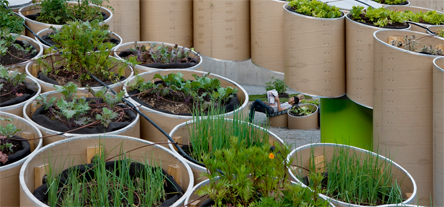
Designed by WORK Architecture Company,  P.F.1 (Public Farm One) was an urban farm concept installed in the P.S.1 courtyard in 2008. Constructed from large cardboard tubes, its top surface was a working farm, blooming with a variety of vegetables and plants. P.F.1 combined playful programs with educational ones, creating a sense of community around the shared experience of growing food.

Bringing sustainable construction together with sustainable agriculture, P.F.1 was built entirely of recyclable materials, was 100% solar-powered and utilized rain collection for irrigation. It was formed as a folded plane made from cardboard tubes, designed to hold planters for vegetables, herbs and fruit. While most of the tubes created an elevated canopy for shade, some tubes extend to the ground to become columns. Each column held a different program, from seating to sound environments to a mobile phone charging column and even a juice bar.

publicfarm1.org
Public Architecture

2007 - $5,000 General Operating Support
Public Architecture’s design campaigns are multidisciplinary initiatives that utilize design and advocacy to address issues of broad social relevance.

Public Architecture


Public Architecture
2007 - $5,000 General Operating Support

Sidewalk Plaza design campaignPublic Architecture’s public interest design campaigns are multidisciplinary initiatives that utilize design and advocacy to address issues of broad social relevance on which design could profoundly impact.The Sidewalk Plaza design campaign, focused in San Francisco’s South of Market area, took an innovative approach to developing new open space.  Through permanent sidewalk bump-outs programmed with amenities keyed to the neighborhood’s diverse uses, the Plazas provide a responsive, replicable model for generating neighborhood-supporting open spaces, improved street life, and more closely-knit communities.  Combined with a companion advocacy effort, the campaign initiated a process through which people can engage in reflecting on and working for positive change in their neighborhoods. The first Plaza is sited in front of Brainwash Café/Laundromat on Folsom Street and was completed in 2008.

publicarchitecture.org
Regional Plan Association

2026 - $20,000 General Operating Support
2025 - $20,000 Cross Bronx Expansion Report
2025 - $10,000 General Operating Support
2024 - $15,000 General Operating Support
2024 - $20,000 Brooklyn Queens Expressway Report
2023 & 2024 - $20,000 Congestion Pricing
Regional Plan Association is a non-profit organization that conducts research, advocacy and planning to improve quality of life for all residents in the New York City metropolitan area.

Regional Plan Association

Regional Plan Association
2026 - $20,000 General Operating Support
2025 - $20,000 Cross Bronx Expansion Report
2025 - $10,000 General Operating Support
2024 - $15,000 General Operating Support
2024 - $20,000 Brooklyn Queens Expressway Report
2023 & 2024 - $20,000 Congestion Pricing

Regional Plan Association is a non-profit organization that conducts research, advocacy and planning to improve quality of life for all residents in the New York City metropolitan area. RPA conducts groundbreaking research on issues such as land use, transportation, the environment, and economic development. It also leads advocacy campaigns to foster a thriving, diverse, and climate friendly region and partners with local government to help them grow in an inclusive and sustainable way.

For over 100 years, Regional Plan Association has been an indispensable source of ideas for policy makers and opinion shapers across the New York City metropolitan region. Some of the NYC region’s most significant public works, economic development initiatives, and open space projects have their roots in RPA ideas and initiatives. 

A cornerstone of RPA's work is the development of long-range plans and policies to guide the region’s growth. Since the 1920s, RPA has produced four landmark plans for the region. The most recent was released in November 2017.

One of the ideas RPA has been advocating is a tolling program for Manhattan's Central Business District, otherwise known as congestion pricing. For decades, RPA has been saying that the program is vital to managing traffic, raising revenue for public transit, and helping reduce pollution. RPA has coordinated a number of efforts over the years to build support for congestion pricing, and after a few failed attempts, was finally successfully in receiving New York State's authorization for the program in 2019. 

The program started in January 2025 and has been successful at reducing traffic, boosting transit ridership, improving traffic safety, and raising revenue for transit projects.  RPA has released a series of more technical documents to track the program's success and monitor its effectiveness and has also supported lawsuits against the USDOT to keep the program in place. 

RPA currently co-leads the Congestion Pricing Now coalition with a few partner organizations. Congestion pricing is officially called the Central Business District Tolling Program and is being managed by the MTA. 

In addition to congestion pricing, RPA has been supporting a number of local coalitions fighting highway projects that will increase traffic and harm local communities. In particular, RPA has supported the No Cross Bronx coalition, Coalition for BQE Transformation and the Rethink Route 17 coalition with design, traffic modeling, communications and external affairs support.

rpa.org
Resilient by Design

2016 - $15,000 General Operating Support
The Bay Area Resilient by Design Challenge (Bay Area Challenge) is an exciting opportunity in which international, multidisciplinary experts will unite with government agencies, elected officials, community leaders, philanthropists, and other Bay Area stakeholders to create inspired and practical solutions to the challenges posed by sea level rise.

Resilient by Design


Resilient by Design
2016 - $15,000 General Operating Support

The Bay Area Resilient by Design Challenge (Bay Area Challenge) is an exciting opportunity in which international, multidisciplinary experts will unite with government agencies, elected officials, community leaders, philanthropists, and other Bay Area stakeholders to create inspired and practical solutions to the challenges posed by sea level rise. The Bay Area Challenge is modeled on the highly successful “Rebuild by Design” competition, which took place in the New York-New Jersey-Connecticut region following Hurricane Sandy. Volunteer advisors will support ten interdisciplinary design teams during an initial research period as they build their understanding of regional conditions in the Bay Area. Each design team will then work closely with local and regional leaders, government agencies, and other key specialist and stakeholders to develop implementable designs that have the requisite local ownership and buy-in to transition into actual projects.

The Bay Area faces significant threats, including earthquakes, sea level rise and coastal flooding. By bringing together government, key community stakeholders, and world-class design and engineering experts, the Bay Area Challenge will address resiliency challenges that affect key neighborhoods, local environment and critical infrastructure in the rapidly changing Bay Area. Some of the areas most vulnerable to sea level rise include the vital businesses developing in and around the Port of San Francisco seawall and Mission Bay, together with burgeoning South Bay technology companies. Areas also include underserved communities in East Palo Alto, Richmond and San Francisco, placing critical low-income housing and small businesses at risk. All of these areas contain assets that are vital to the social fabric and economic vitality of the region.

resilientbayarea.org

San Francisco Foundation

2023 - $25,000 Great Communities Collaborative

San Francisco Foundation

San Francisco Foundation
2023 - $25,000 Great Communities Collaborative

Spring Street Climate Fund

2024 - $20,000 Clean Transportation
2023 - $15,000 Zero emission school buses
Spring Street Climate Fund runs strategic, effective campaigns to win transformative climate policy that helps people in concrete ways they experience directly.

Spring Street Climate Fund

Spring Street Climate Fund
2024 - $20,000 Clean Transportation
2023 - $15,000 Zero Emission School Buses

Spring Street Climate Fund runs strategic, effective campaigns to win transformative climate policy that helps people in concrete ways they experience directly. Using this approach, Spring Street acts as a force multiplier in the climate movement, bringing in new grassroots constituencies of New Yorkers with shared interest in Spring Street’s priority climate policies.

One of Spring Street’s priority campaigns is its work with New Yorkers for Transportation Equity: a powerful coalition of advocates, policy experts and grassroots partners that has come together to demand that elected leaders prioritize public transit, biking and walking and deprioritize cars and highways so that the state can meet its climate goals – and help people all over the state secure access to jobs, services and all of their daily needs.

In 2024, NYFTE launched its first coordinated campaign, the Get Around New York Act: a bold new framework to reduce car use and invest in clean, equitable mobility options for all. The coalition’s policy agenda will:

  • Reduce Vehicle Miles Traveled (VMT): The coalition’s proposed bill sets a statewide goal to reduce VMT by 20% by 2050, a crucial step to meeting New York’s climate targets and improving air quality.
  • Invest in Transit, Walking, and Biking: The NYFTE coalition is also working to require New York State to protect public investment in sustainable transportation at a pivotal moment for climate, access and mobility. 

Taken together, the Get Around New York Act will not only reduce the number of vehicle miles traveled in New York - it will also create an ambitious new roadmap for addressing one of the nation’s leading sources of climate-harming emissions, pioneer a model for state investment in sustainable modes of transportation, and accelerate the pace of climate progress around the country.

www.springstreetclimate.org

SPUR (formerly San Francisco Planning + Urban Research Association)

2023 - $20,000 Transit Oriented Communities
2021 - $15,000 Transit Priority Program
2019 - $10,000 Operational Landscape Units Project
2018 - $20,000 Regional Plan
2017 - $10,000 Operational Landscape Units Project (with SFEI)
2017 - $10,000 Framework for Sea-Level Rise Adaptation
2016 - $15,000 Framework for Sea-Level Rise Adaptation
2014 - $15,000 Fossil Fuel Reduction Report
2010 - 2014 $38,000 Food Systems and Urban Agriculture Program
2007 - $5,000 General Operating Support
Through research, education and advocacy, SPUR promotes good planning and good government in the San Francisco Bay Area over the past five decades.

SPUR (formerly San Francisco Planning + Urban Research Association)

SPUR’s We Are the Bay exhibition

Farmer’s market in San Francisco; photo credit Sergio Ruiz

Rising tides threatening to flood; photo credit Sergio Ruiz

SPUR’s How We Move exhibition

A transit + design workshop held at SPUR’s Urban Center

SPUR (formerly San Francisco Planning + Urban Research Association)
2023 - $20,000 Transit Oriented Communities
2021 - $15,000 Transit Priority Program
2019 - $10,000 Operational Landscape Units Project
2018 - $20,000 Regional Plan
2017 - $10,000 Operational Landscape Units Project (with SFEI)
2017 - $10,000 Framework for Sea-Level Rise Adaptation
2016 - $15,000 Framework for Sea-Level Rise Adaptation
2014 - $15,000 Fossil Fuel Reduction Report
2010 - 2014 $38,000 Food Systems and Urban Agriculture Program
2007 - $5,000 General Operating Support

Work

Through research, education and advocacy, SPUR works to create an equitable, sustainable and prosperous region. SPUR practices urban policy, developing and advocating for ideas and reforms to bring about systems change. The decisions that shape housing, transportation, land use, economics, food access, sustainability and resilience have significant impacts on people’s lives. SPUR also focuses on governance because it’s how communities organize themselves to achieve collective goals and because SPUR believes in the power of government as a force for good. SPUR works across the nine counties of the Bay Area because the structural systems that shape people’s lives- the housing market, the transportation network, the economy - are regional. SPUR does deep work in San Francisco, San José and Oakland because policies set in the region’s three biggest cities have widespread impact on most Bay Area residents and because local context is critical for effective policy. SPUR believes that community and individual well-being are healthiest when a society achieves equity, sustainability and prosperity. Equity because systemic racism continues to create unjust and unacceptable outcomes for many members of our community. Sustainability because human well-being depends on a healthy and thriving natural environment. And prosperity because meeting individual and collective needs requires resources. SPUR conducts its work through research, education and advocacy because these tools have the power to change minds and shape outcomes. The organization believes that profound systems change requires addressing beliefs, relationships and policies, and SPUR works at all three of these levels. SPUR grounds its work in a spirit of inquiry and a big-tent perspective that engages partners and communities across the region.

Goals

SPUR has many key goals related to each of the organization's major policy areas, including:
Planning: Add new jobs and housing where they will support equity and sustainability, and make neighborhoods safe and welcoming to everyone.
Housing: Make housing affordable for everyone.
Transportation: Make it fast, easy and inexpensive to get around without driving alone.
Sustainability + Resilience: Eliminate carbon emissions and make communities resilient to climate change.
Economic Justice: Enable all people to participate in the region’s thriving economy and attain economic security.
Good Government: Support a high-functioning public sector that serves the collective good.
Food + Agriculture: Create healthy, just and sustainable food systems, and put an end to food insecurity.

Achievements

SPUR has accomplished many things over the course of its 100+ year history. The organization shaped some of the most important planning and urban policy issues in the region, including planning for the BART system, establishing the Golden Gate National Recreation Area and the Bay Conservation and Development Commission, proposing San Francisco’s Affordable Housing Trust Fund and more. Recent achievements of the organization in 2020, include:

  • Crafting more than 70 policy recommendations on housing, transportation, planning, sustainability and resilience and more
  • Welcoming more than 13,000 individuals to public forums covering pressing issues in the Bay Area, such as the housing affordability crisis, economic inequality, how COVID-19 affects small businesses and more
  • Co-sponsoring three pieces of legislation passed by California lawmakers, including SB288, which expands CEQA exemptions to speed up the delivery of sustainable transportation projects in the state
  • Hosting the organization's first Ideas + Action symposium, which brought together public space experts and more than 1,500 attendees from across North America
  • Released numerous reports and white papers, on topics such as the future of transportation, transit project delivery, climate hazards and modeling future places, which envisions a Bay Area that can welcome everyone
  • Hosting a forum with Mayors Breed, Liccardo and Schaaf of San Francisco, San José and Oakland to learn how cities of the Bay Area can collectively work toward a more equitable, sustainable and prosperous region
  • Leading convening efforts for the new California Home Builders Alliance, an informal advocacy coalition focusing on state legislation and regulatory reforms to build more housing

Impact Report attached; our most recent annual report was online only--it is available here: https://www.spur.org/about/annual-reports/2020

spur.org

Street Lab

2025 - $15,000 Open Street, Brownsville, Brooklyn
Street Lab transforms streets and public spaces across New York City into places that improve lives, strengthen neighborhoods, and bring New Yorkers together.

Street Lab

Street Lab
2025 - $15,000 Open Street, Brownsville, Brooklyn

Street Lab transforms streets and public spaces across New York City into places that improve lives,
strengthen neighborhoods, and bring New Yorkers together. The organization uses a pop-up approach
to do this, relying on custom physical designs to create innovative places for reading, play, creativity,
and more. Every pop-up is by request and in partnership with community groups and city
government, and the organization prioritizes low-income, underserved areas. Its approach brings
immediate benefits to residents, while also laying the groundwork for long-term change.

Street Lab achieves its goals in three ways. First, it deploys its pop-up programs citywide, activating
public spaces and enabling people of all ages and abilities to gather, learn, and create right on the
street. Second, it helps community groups develop new cultural and community hubs using the city’s
Open Streets program. Third, it designs and builds pop-up infrastructure that brings new ideas to the
streets, used by our team, partners, and other cities around the world. The organization also offers
several youth education programs that involve young people in all aspects of its work.

Street Lab was founded in 2006. Early projects focused on vacant lots and storefronts. In 2011, the
organization shifted outdoor spaces like parks, plazas, and streets, launching a portable reading room
for New York City that still operates today. Since then, the range of programs and services Street Lab
offers has expanded and the organization has provided over 3040 days of programming in 501 NYC
public spaces, reaching more than 160,000 New Yorkers. Street Lab has also helped create more than
40 Open Streets and shipped its designs to more than 75 other cities.

www.streetlab.org

Streetsblog

2021 & 2023 - $12,000 General Operating Support
2019 - $10,000 General Operating Support
2017 - $16,000 General Operating Support
2011, 2016 & 2018- $8,000 General Operating Support
Streetsblog is a non-profit daily news source, online community and political mobilizer for the Bay Area’s Livable Streets movement.

Streetsblog


Streetsblog
2021 & 2023 - $12,000 General Operating Support
2019 - $10,000 General Operating Support
2017 - $16,000 General Operating Support
2011, 2016 & 2018- $8,000 General Operating Support

Streetsblog is a non-profit daily news source, online community and political mobilizer for the Bay Area’s Livable Streets movement. Streetsblog frames the public debate on transportation and planning issues, creating momentum for more sustainable streets. A team of local writers collaborates with writers throughout California and Nationally to provide full coverage of transportation reform, urban planning and the Livable Streets movement locally and nationwide.

Streetsblog began in 2006 as a single local blog covering transportation and land use issues in New York City. The experiment proved a dramatic success, and it showcased the potential for focused advocacy journalism to empower overlooked constituencies and to usher in a reform-minded transportation policy agenda - SF.Streetsblog was launched in January 2009. The blog quickly became an influential voice and a mobilizer for the local transportation reform movement. Today, it reaches nearly 70,000 direct monthly readers, and plays a key role in the Bay Area’s Livable Streets movement. Their work is published on SF Gate and Bay Citizen. Streetsblog’s drumbeat of pedestrian, bicycle and transit stories have helped keep these important issues on the radar of supervisors and policy makers at City Hall and the San Francisco Municipal Transportation Agency.

sf.streetsblog.org

The 34th Avenue Open Streets Coalition

2024 - $15,000 General Operating Support
2023 - $15,000 General Operating Support
Founded in 2020 in response to the pandemic’s need for open spaces in Queens, 34th Avenue has become NYC’s first permanent Open Street.

The 34th Avenue Open Streets Coalition

La Noche de Velitas - Honoring Colombian tradition and lighting up the avenue during our annual La Noche de Velitas celebration.

Holiday Season Gift Distribution - Sharing the joy of the season through our annual holiday gift distribution and photos with Santa.

Weekly Learn to Bike Classes - Empowering neighbors of all ages to find their balance and confidence during our weekly cycling sessions.

Snowman Contest - Turning snowy days into a celebration of community creativity during our winter snowman contests.

Lunar New Year - Welcoming new beginnings and celebrating the diverse cultural heritage of our neighborhood during Lunar New Year.

Holi Celebration - Celebrating the arrival of spring and the vibrant unity of our community during our annual Holi celebration.

The 34th Avenue Open Streets Coalition
2023 & 2024 - $15,000 General Operating Support

The 34th Avenue Open Streets Coalition is a volunteer-led non-profit organization that transforms 26 blocks of 34th Avenue in Jackson Heights, Queens, into a safe, inclusive outdoor community center open daily from 7 a.m. to 8 p.m. Founded in 2020 in response to the pandemic’s need for open spaces in Queens, 34th Avenue has become NYC’s first permanent Open Street.

The Coalition’s focus is on building community by providing free programming, cultural events, and essential services that advance wellness, education, mobility, and belonging for residents of Jackson Heights, Corona, Elmhurst, Woodside, and East Elmhurst. Working in partnership with NYC DOT and many other local organizations and city agencies, they provide year-round classes, youth activities, food and clothing distributions, and health and immigration resources.

Through celebrations that reflect the neighborhood’s extraordinary diversity, they create a welcoming public space where neighbors of all ages can gather, learn, play, and thrive. Their work is rooted in the belief that public space should serve the community every day and that streets can be catalysts for safety, connection, and opportunity; they welcome everyone to join them on the street!

www.34aveopenstreets.com

The High Line

2014 - $5,000 Thriving Cities
2013 - $5,000 Beyond the High Line
2010 - $1,000 General Operating Support
An extraordinary public park transforming a piece of New York's industrial past.

The High Line


The High Line
2014 - $5,000 Thriving Cities Lecture Series
2013 - $5,000 Beyond the High Line
2010 - $1,000 General Operating Support

Friends of the High Line works to build and maintain the extraordinary public park on the High Line in New York City.  They seek to preserve the entire historic structure, transforming an essential piece of New York’s industrial past and providing over 70 percent of the High Line’s annual operating budget.  Friends of the High Line is responsible for maintenance of the park, pursuant to a license agreement with the New York City Department of Parks & Recreation. Through stewardship, innovative design and programming, and excellence in operations they cultivate a vibrant community around the High Line.

Beyond the High Line

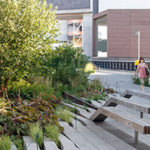
Beyond the High Line showcases exceptional adaptive urban reuse projects from around the country, featuring projects that have a strong likelihood of being completed, but are still in formative phases. This series will foster discussion about what moves these kinds of projects forward and to raise the profile of other projects that have the potential to transform neighborhoods, cities, or regions-expanding the visibility of the entire field of adaptive reuse. 

Thriving Cities

A forum where participants can explore new ways to make their blocks, neighborhoods and cities better, more livable places.  The day-long program will feature public talks, book presentations, civic participation workshops and children's activities - all exploring recent trends and ideas around contemporary urban design and planning that foster sustainability, equity and creativity.

thehighline.org

Urban Sustainability Directors Network

2021 - $15,000 Nexus Program
2018 - $10,000 Climate Equity Leaders Program
2015 to 2017 - $10,000 General Operating Support
The Urban Sustainability Directors Network (USDN) is a peer-to-peer network of local government professionals from more than 130 cities across the United States and Canada dedicated to creating a healthier environment, economic prosperity, and increased social equity.

Urban Sustainability Directors Network

USDN members work together to visualize their upcoming priorities.

USDN members engage in forensic idea mapping to learn how to become more effective change agents.

USDN members and community members play “Game of Floods” to build relationships and learn to collaboratively plan for more resilient communities.

Kristin Baja (USDN Resilience Program Lead) presents to and collaborates with members in Hawai’i on the Nexus Project.

Members drawing to illustrate their plans and visions for the future.

Urban Sustainability Directors Network
2021 - $15,000 Nexus Program
2018 - $10,000 Climate Equity Leaders Program
2015 to 2017 - $10,000 General Operating Support

USDN is the primary network through which local government sustainability and climate practitioners access mission-critical resources and collaborate to advance their work. As of early 2021, over 230 communities and 1700 practitioners participate from across the US and Canada. As a member-led network, USDN enables groups of cities and counties to inspire and learn from each other, solve shared challenges, and engage in collective action to achieve impact in their communities. By bringing members and field partners together, USDN broadens, informs, and synthesizes perspectives on crucial issues and catalyzes new partnerships.

Programming focuses on three key areas: building practitioners’ capacity, accelerating action and innovation, and influencing enabling systems. Members highly value the support they receive through USDN and report that the network is critical to their success. From our annual member impact survey in December 2020:

  • 74% of members report that USDN enabled them to find a solution to a key challenge.
  • 73% of members reported that USDN involvement saves them time.
  • 64% said USDN participation enabled them to make a change in local policy.
  • 42% of USDN members indicated that USDN saves them money.
  • 80% of members indicate that USDN participation was a valuable asset in helping them achieve their highest impact action of the past 2 years.
  • “[USDN creates] a systemic resource for municipal sustainability professionals to access knowledge, connections, and financial resources. Such an organization does not exist in any other field, and it is a testament to its creators and the network. I simply could not be as effective as I am in my position without USDN.” -- USDN member

Two overarching strategies guide USDN programming:

  • USDN’s High Impact Practices (HIPs) are the priorities in which USDN programming helps members take impactful actions to advance equity, GHG reduction, and resilience -- the nexus of member leadership and USDN’s unique capabilities for support and action. The updated framework reflects a broad and more equity-focused summary of sustainability priorities, placing equal emphasis on both how members work as well as what work they do.  
  • In its Equity Principles and Commitments, USDN recognizes the root causes of climate change, environmental injustice, and racial inequity are the same and commits to using resources to advance members’ individual capacity to address racial equity, improve the diversity of practitioners, and transform the field. This builds off years of work in training local governments on the close connections between sustainability and equity, diversity, and inclusion.

The Nexus Project is one illustration of where USDN’s core strategies and programming focus areas converge and come to life. The Nexus is step-by-step guidance to help local government practitioners who are trying to fundamentally transform the traditional approach to climate planning and practice. It focuses on recognition of current power structures and outlines how to shift power to communities (particularly marginalized communities) as part of any process. 

Part of what is unique about the Nexus Project is that members learn to operationalize equity and work across department and technical silos in a supported process. The project provides 1:1 coaching for local government practitioners through USDN staff, and also brings in community partner coaches for government practitioners and community partner organizations to help them work together better. This holistic and multilayered approach is transforming how government practitioners approach their work and how communities and government can collaborate to build more equitable and sustainable communities.  

"We have transformed our work on climate to lead across the nexus as a result of the USDN Innovation Fund Grant - we have learned significantly from our peers in this space. The direct training and support from Baja [Resilience Director and Nexus Project Staff Lead] has helped us to build crucial interdepartmental support and relationships with other departments and jurisdictions, especially with the County. We're working to transform the countywide approach to their All Hazard Mitigation Plan because of Baja's technical support." -- USDN member 

USDN is grateful to the SEED Fund for its support of the Nexus Project. 

usdn.org